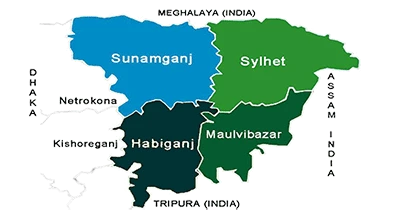




Location of the Tanguar Haor
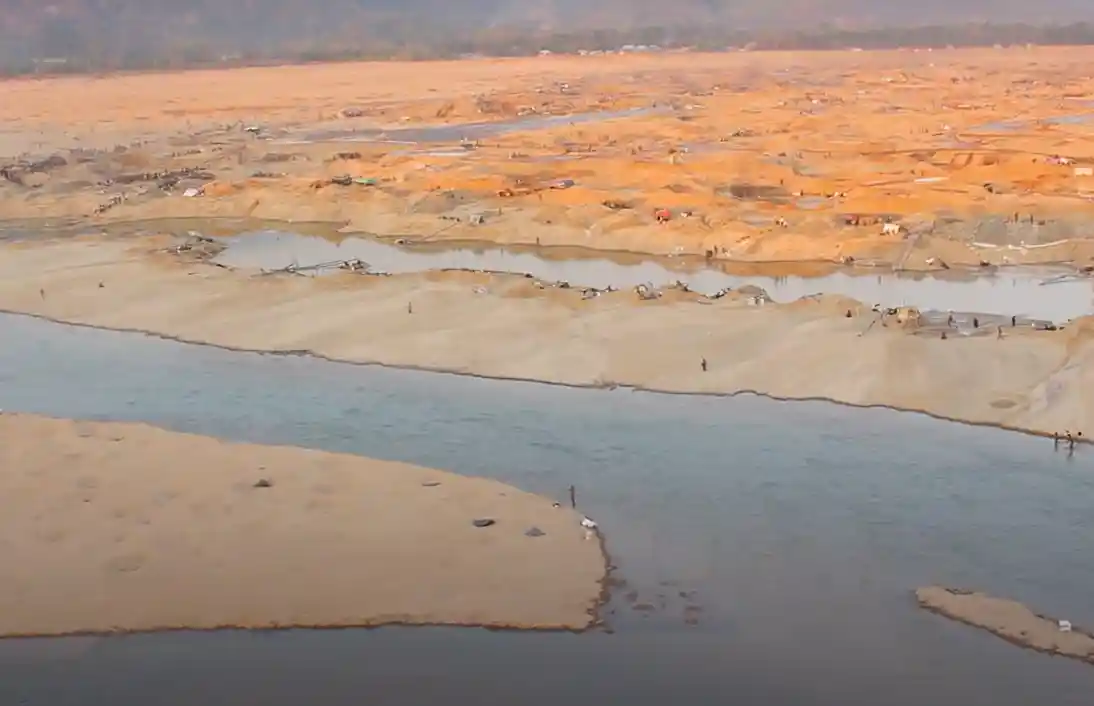
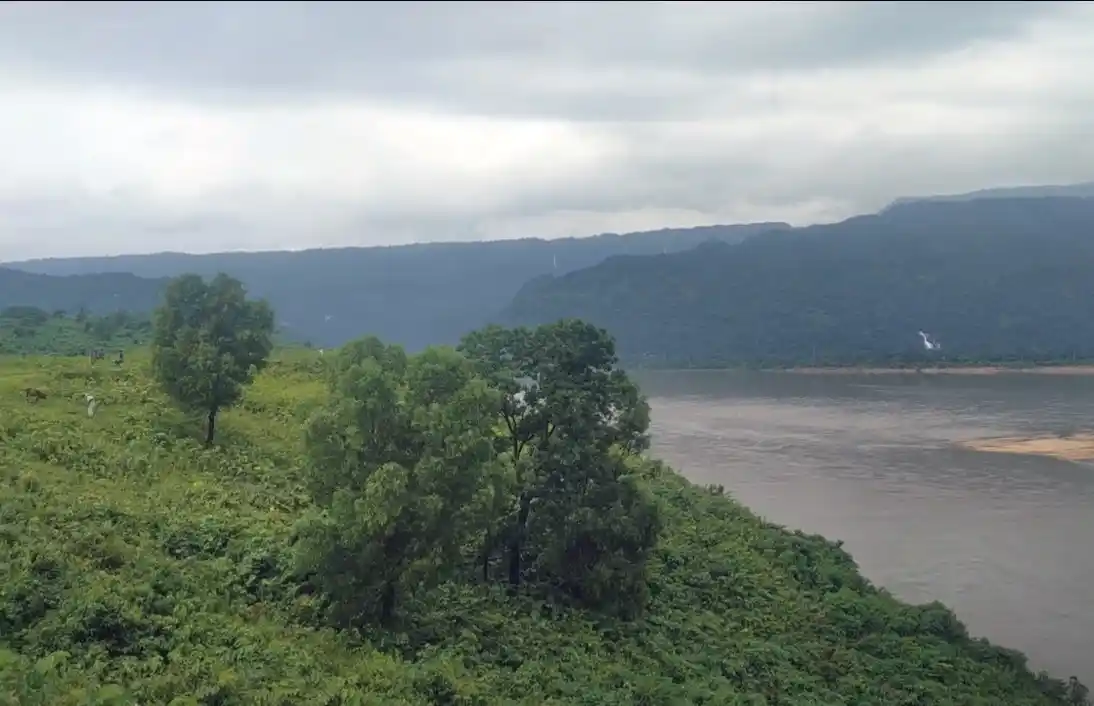
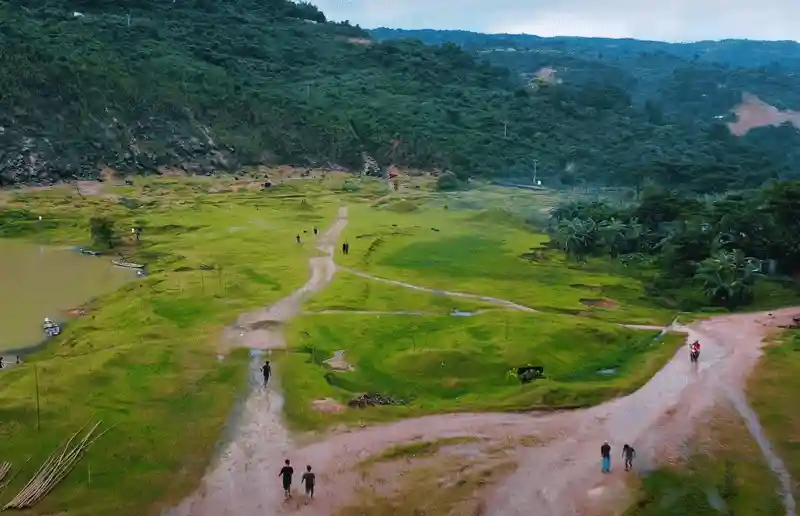
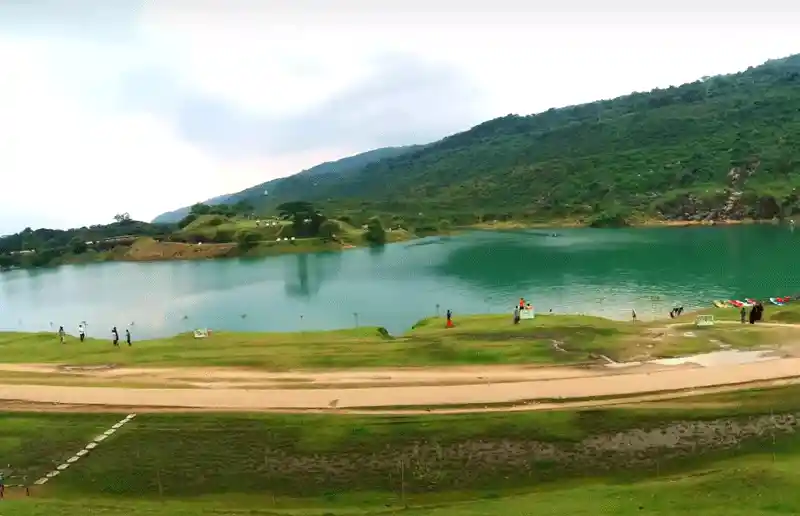
The Tanguar Haor is located at the Dharmapasha and Tahirpur Upazila in Sunamganj District under Sylhet Division in Bangladesh. It is a unique ecosystem that is flooded by water. Either permanently or seasonally. That is why It has come into international focus. It is the second-largest freshwater wetland in the country covering an area of about 100 sq km including 46 villages which are located surrounding Haor. The deepwater, the water forest, the blue sky, the hills and the amazing green Haor have made this Haor beautiful.
However, during the monsoon season, the area of this Haor increases to about 20,000 acres. There are more than 140 species of fish, 12 species of frogs, and more than 150 species of reptiles in this Haor. About 250 species of migratory birds roam in this Haor in winter. It is the means of subsistence for more than 40,000 people. Bangladesh Government has declared it as an Ecologically Critical Area in 1999 considering its critical condition because of its over exploitation of natural resources.
Why Tanguar Haor is popular
Tanguar Haor is popular due to a unique combination of stunning natural beauty, international ecological importance and the immersive travel experience it offers.Breathtaking Scenic Beauty
During the monsoon season, Tanguar Haor transforms into a vast, calm "inland sea" of pure, blue water, earning it the nickname the "Silent Venice of Bengal."Ecological Significance (Ramsar Site)
Tanguar Haor's global importance for nature is a major draw for eco-tourists and researchers.Immersive Travel Experience
The travel experience is distinct from other tourist spots, offering a blend of adventure and tranquility.Best Time to Visit Jaflong
If you want the real Tanguar Haor experience, timing matters a lot. Here’s the simple breakdown.Best time overall: June to October
This is when the Haor fills up and turns into a huge glassy lake surrounded by green hills and floating clouds. Boat trips, photography and the full "Haor vibe" are at their peak.
If you want to see migratory birds: December to February
Thousands of winter birds gather across the wetlands. The scenery changes completely quiet, calm and full of wildlife.
Check out the complete package details including vehicle, hotel stays & guide - View Package Rates