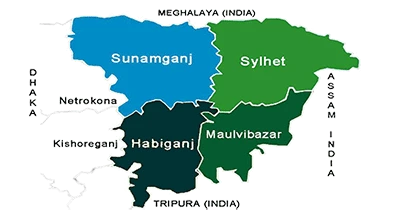
Location of the Madhabkunda
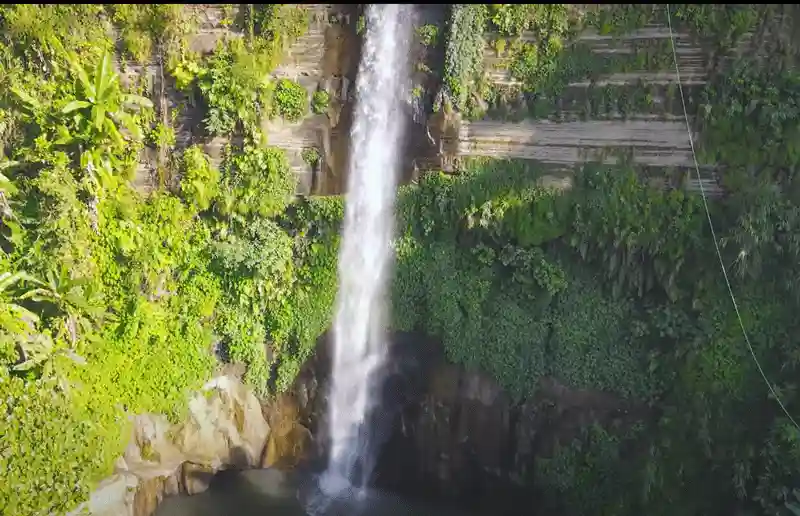
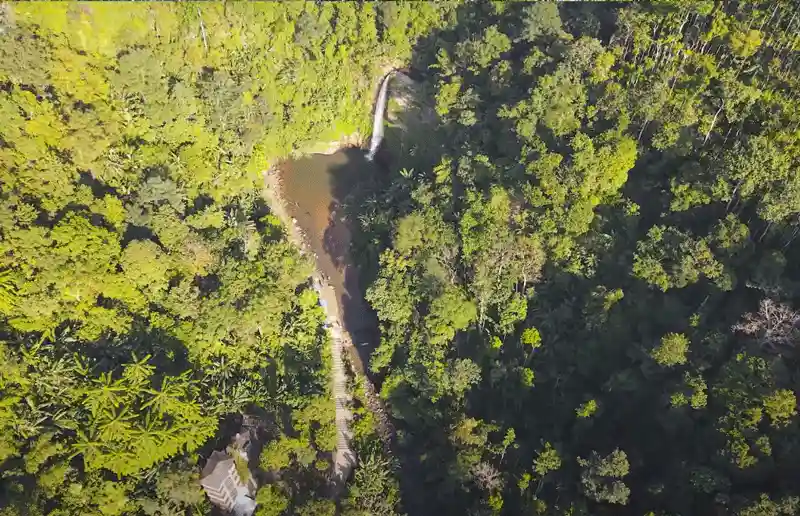
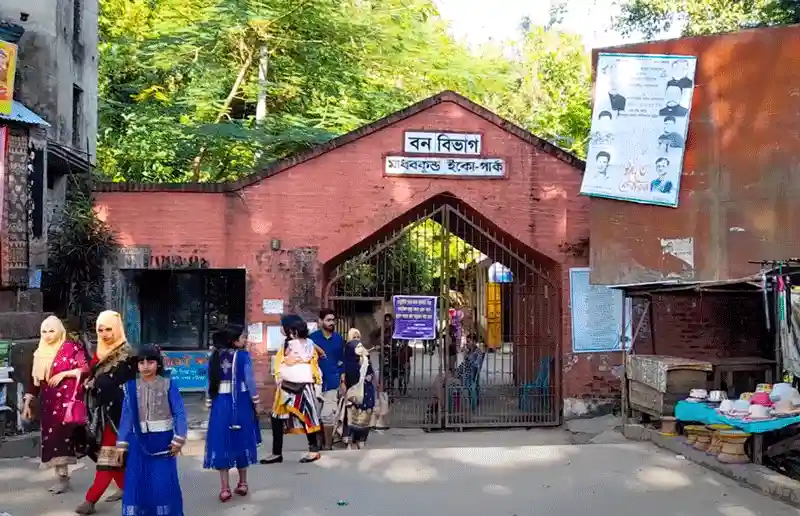
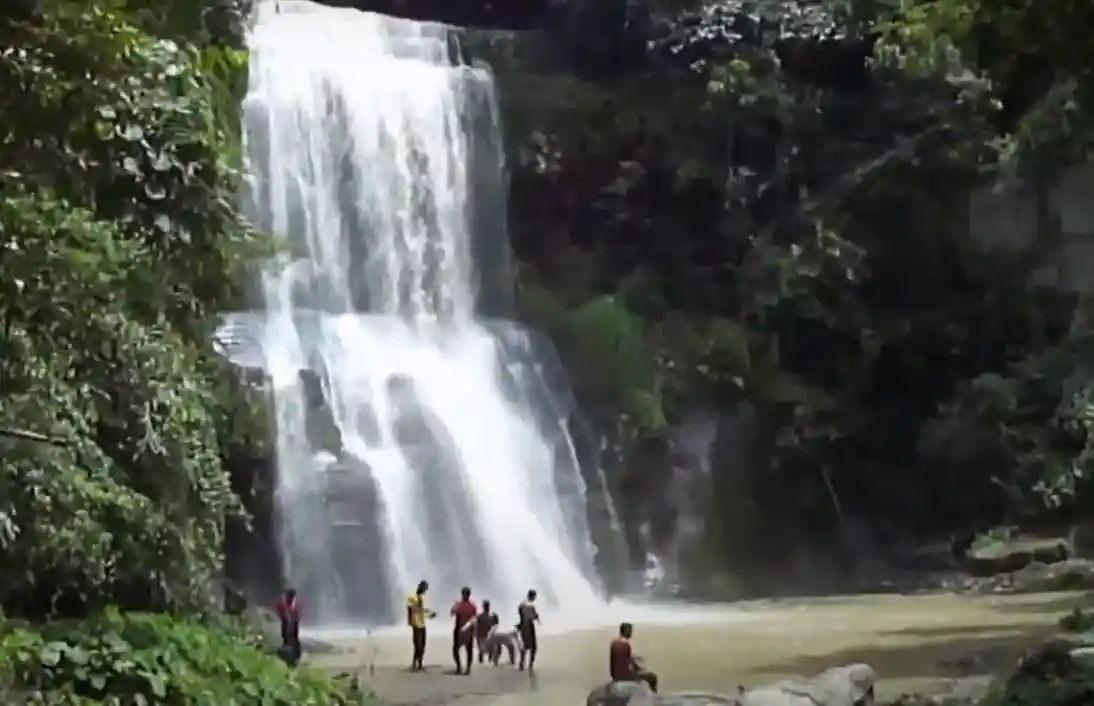
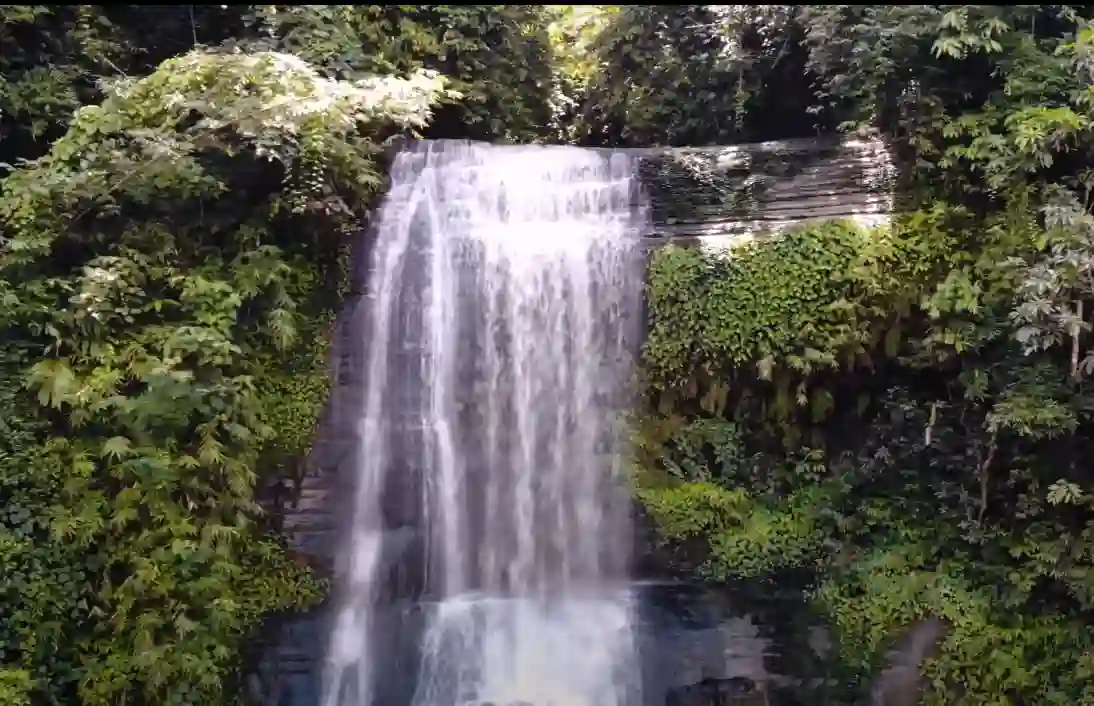
Madhabkunda Waterfall is one of the most popular tourist spots in Bangladesh, known for being the largest waterfall in the country. The waterfall is about 200 feet (61 meters) high and is located in Barlekha Upazila of the Moulvibazar District under the Sylhet Division, near the town of Sreemangal. It is around five kilometers from Dakshinbagh Railway Station on the Kulaura–Shabajpur line and about 65-70 kilometers from Sylhet city.
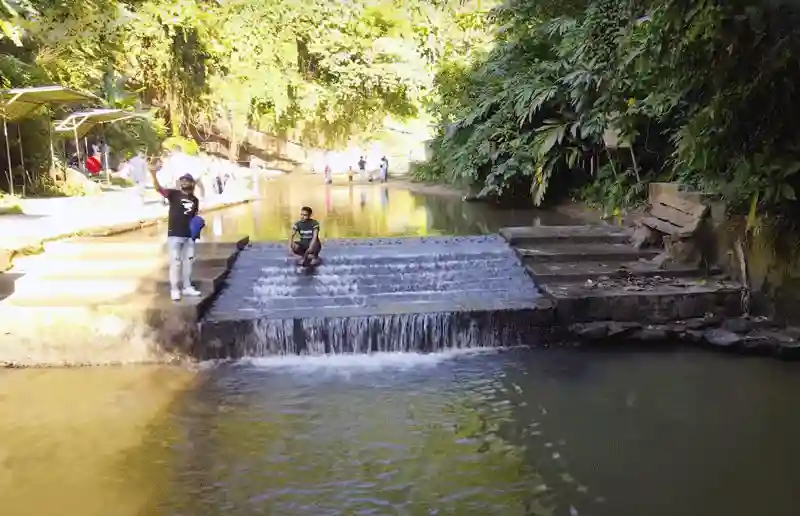
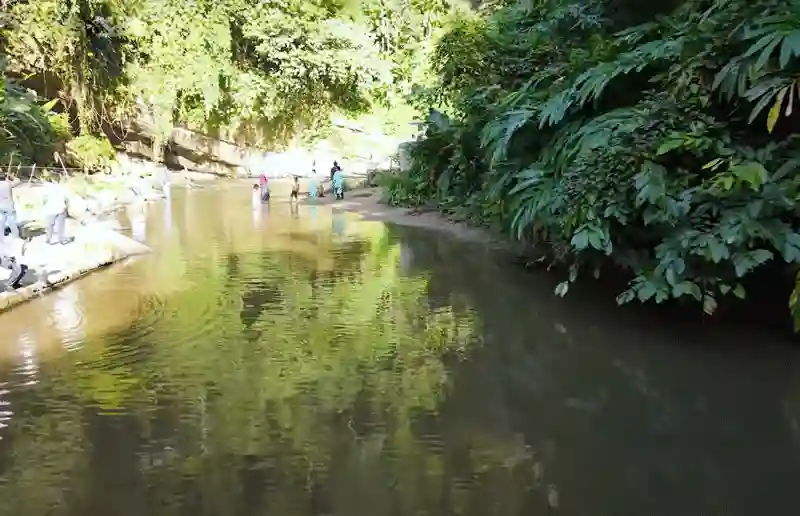
The huge boulders, surrounding forest and flowing streams make it a favorite destination for picnics and day trips. The waterfall is stunning to look at and refreshing to step near. Visitors can enjoy views of tea gardens, rivers, lakes and tall, unique trees along the way. There are also many small shops and local businesses around the area. It’s a great spot for photography.
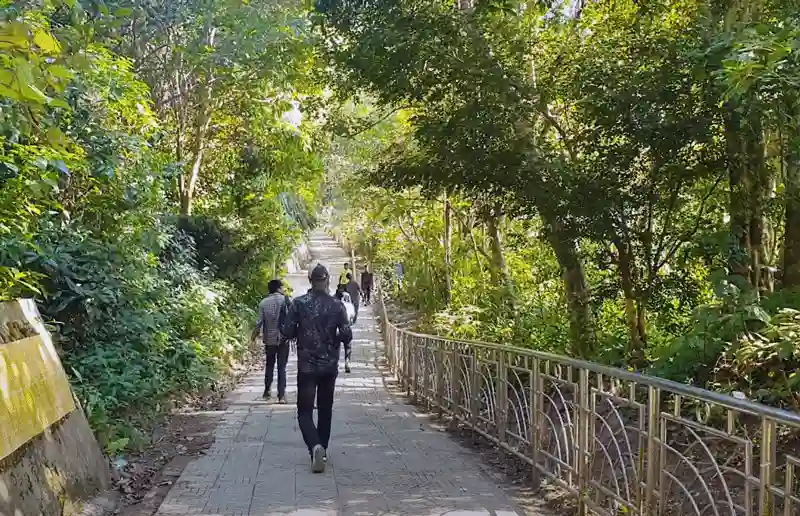
Unlike some other waterfalls with risky trails, Madhabkunda is relatively easy to access. Tourists can reach it comfortably and enjoy the beauty and calmness of nature. The surroundings remain captivating for visitors throughout the year.
Places You Can Visit with Mahabkunda in a Single Day
| Destinations |
Distance from Sylhet City |
Approx. Travel Time |
| Madhabkunda Waterfall |
65-70 km |
1 hr 30 min – 1 hr 40 min |
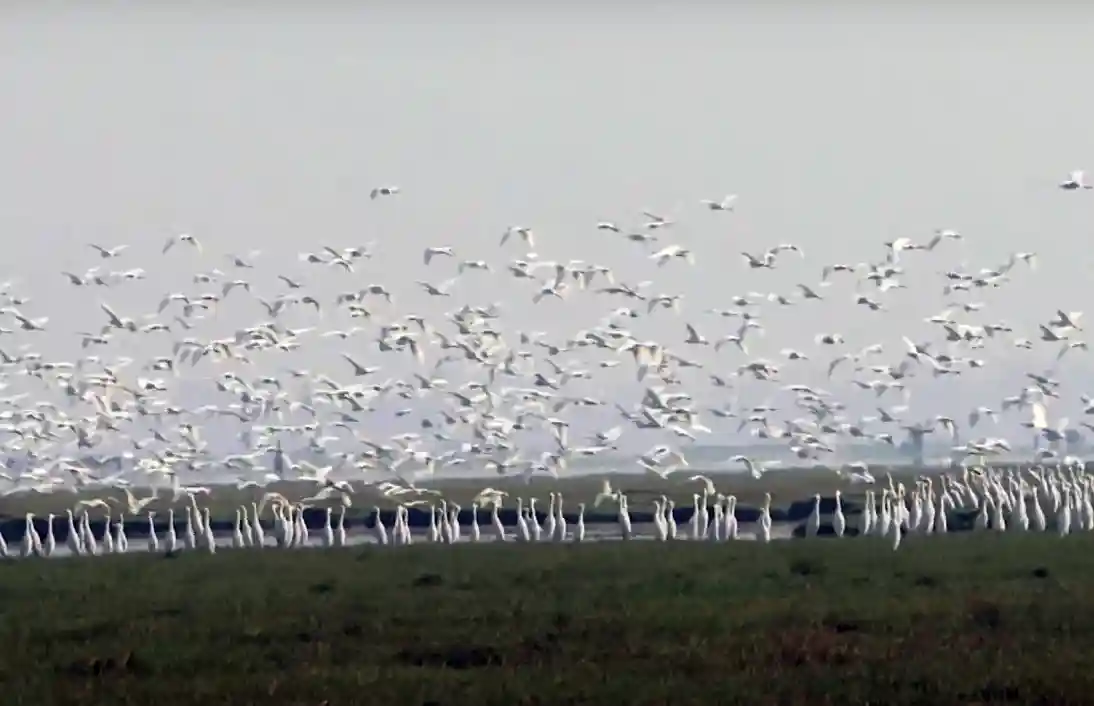
| Hakaluki Haor |
70–75 km |
1 hr 50 min – 2 hrs |
| Barlekha Tea Garden |
65–70 km |
1 hr 30 min – 1 hr 40 min |
If the tour starts early in the morning and less time is spent at the major attractions, it can be possible to visit Sreemangal Tea Garden, Baikka Beel (Wetland Sanctuary), Lemon Garden & Tribal Villages
Why Madhabkunda is popular
Madhabkunda Waterfall is popular for a combination of natural, religious and recreational reasons, making it one of Bangladesh's most visited spots. Here are some reasons why Madhabkunda is so popular:
It is the Largest/Highest Waterfall in Bangladesh
Sheer Size: It is one of the highest waterfalls in the country, with water cascading down from approximately 200 feet (61 meters) from the rocky Patharia Hills. This height and the powerful flow (especially during the monsoon) make it a majestic and unique natural spectacle in Bangladesh.
Beautiful Natural and Scenic Environment
Lush Forest: The waterfall is nestled within a beautiful semi-evergreen forest (part of the Madhabkunda Eco Park) with big boulders and adjoining streams, creating a very serene and wild atmosphere.
Surrounding Attractions: The area is surrounded by picturesque tea gardens, citrus plantations (orange, lemon) and betel nut/leaf gardens, which add to the scenic beauty and make the journey to the falls delightful.
Photography: The cascading water, the natural pool at the base and the lush green landscape make it a perfect spot for nature and landscape photography.
Accessibility and Recreation
Easy Access: While it's a natural wonder, the track to the waterfall is relatively easier to visit and traverse compared to many other waterfalls in the region.
Eco Park: The surrounding area has been developed into the Madhabkunda Eco Park which provides amenities and designated areas for picnics and day trips.
Adventure: Tourists can enjoy light trekking and explore the nearby Parikunda Waterfall (another small cascade a short distance away).
Religious and Cultural Significance
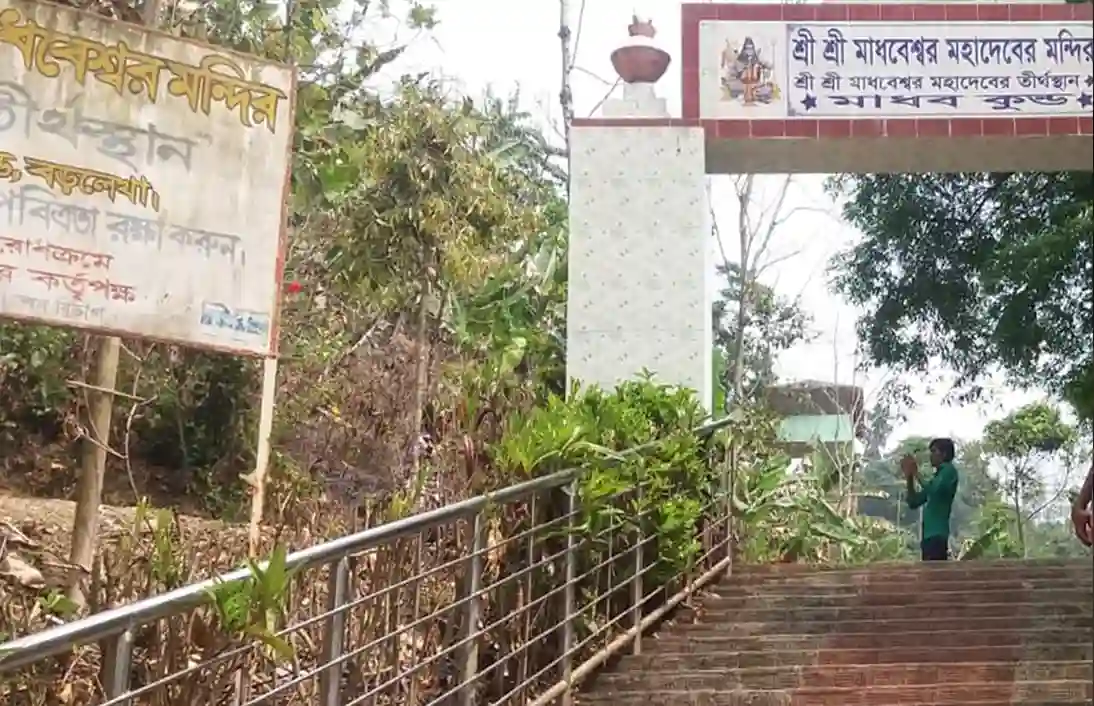
Hindu Pilgrimage: The area holds religious importance for Hindus with a nearby temple (Shiva Temple/Mohadeb Temple) and a sacred cave. An annual fair and ritual bathing ceremony (Baruni Bathing) are held here, drawing thousands of pilgrims.
Local Culture: The surrounding forest is home to the indigenous Khasia tribe. It gives visitors a chance to see local traditions and life (like the Khasia paan or betel leaf gardens).
Best Time to Visit Madhabkunda
The "best time" to visit Madhabkunda Waterfall depends on your priority: seeing the most powerful flow or enjoying the most comfortable weather and safest paths.
Here is a breakdown of the seasons:
For the Most Dramatic View (Monsoon Season)
If your goal is to see the Madhabkunda at its fullest, most aggressive and most majestic state, you should visit during the rainy season.
Months: June to September (or early October).
Experience: The heavy monsoon rains swell the Gangamara stream, causing a massive volume of water to thunder down the 200-foot rock face. You may see a second, smaller stream merge with the main one, creating a truly spectacular, roaring cascade.
Caution: The paths and rocks are very slippery and treacherous. The currents in the pool below are strong and often dangerous, making swimming or getting too close risky. Be prepared for sudden, heavy rain and potential road difficulties.
For Comfort and Safety (Dry/Cool Season)
This is the most popular time for general tourists, families and picnic parties due to the pleasant weather and easy access.
Months: November to February.
Experience: The weather is cool, dry and less humid. Making the hike to the falls and the surrounding Eco Park much more comfortable. The water flow is moderate and substantial (especially if you visit closer to November/December, immediately after the monsoon) and the paths are dry & safe.
Best Balance: October to November often offers the best balance—lush greenery and strong flow leftover from the monsoon; combined with the start of the cooler & drier weather.
.